Payments & digital assets
The first open-source smart contract wallet on Stellar, in the browser and secured by passkeys
1,000+
users registered in two days
Specialty ■ Blockchain engineering
Wallets that real people can use. We’ve shipped them. We built MoneyGram’s non-custodial USDC wallet on Stellar, with recovery that doesn’t need seed phrases and cash in and out in 100+ countries.
Building on Stellar since 2021
What we hear
What we hear
→ Recovery without seed phrases, sending to people who don’t have the app yet, and cash in and out at physical locations.
What we hear
→ We have, since 2021, alongside the network’s own foundation.
What we hear
→ We recommend what lowers your risk, even when that means less custom work.
What we hear
→ We plan backward from your date. MoneyGram’s beta went live at Meridian 3 months after kickoff.
What we hear
→ We’ve built KYC services and worked through enterprise legal reviews and vendor onboarding.
What we hear
→ Then we’ll tell you. We recommend it only where it adds value: settlement, stablecoins or self-custody.
The chain is rarely what makes these products hard.
The hard part
Choosing a chain takes days. What decides whether the product works is everything around it: recovery a normal person can use, cash in and out in the real world, KYC, and getting through an enterprise legal review. That’s product work, and it’s where teams that only know the chain fall short.
How it works
MVP scope, architecture, chain and custody model, build-vs-buy choices, cost and launch date.
A proof of concept on the riskiest piece: the chain, the custody model or the user flow.
Apps, backend, and integrations with anchors, payment rails and KYC, through app-store release.
A dedicated team keeps shipping: new features, SDKs and upgrades.
AI writes the code. Evidence proves it works. A person decides. How we use AI ›
Start here
In 2–4 weeks, a definition sprint gives you the MVP scope, the architecture, a chain and custody recommendation, a launch date and the cost. If something is still unproven, a proof of concept validates it before you commit to the full build.
What you receive
And what can wait.
How the product, chain and integrations fit together.
Including when you don’t need a blockchain at all.
On the wallet backend, anchors and on/off ramps.
A dated plan, ready for your executives.
A proof of concept on the riskiest piece.
CaseMoneyGram Wallet
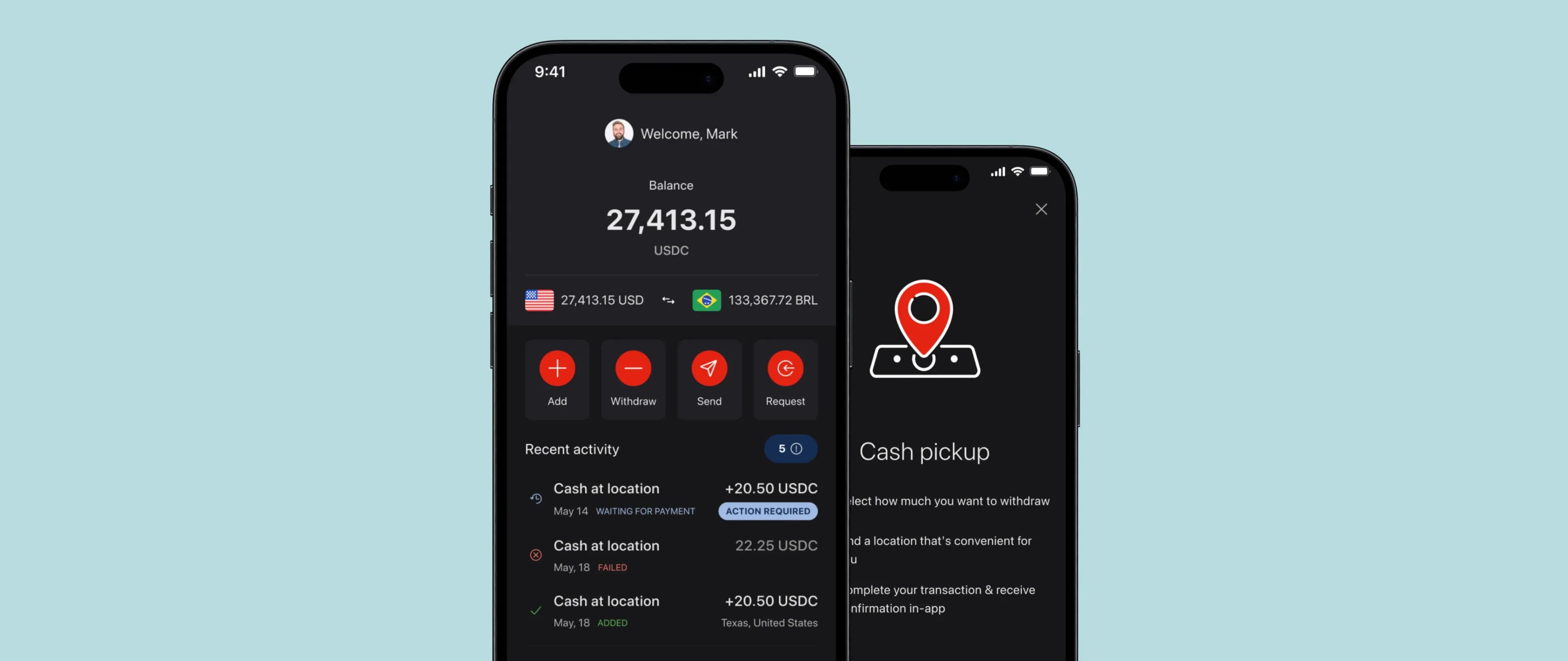
MoneyGram wanted to reach markets its main app didn’t cover, with an app for users who aren’t crypto-savvy. We built a non-custodial wallet on Stellar, with USDC balances and cash in and out at MoneyGram locations.
Here’s what MoneyGram has to say about working with us
“We feel like we’re one team instead of working with a different company.”
 Alicia SmithHead of Blockchain & New Fintech Products, MoneyGram International
Capabilities
Every card is tied to a project we’ve shipped.
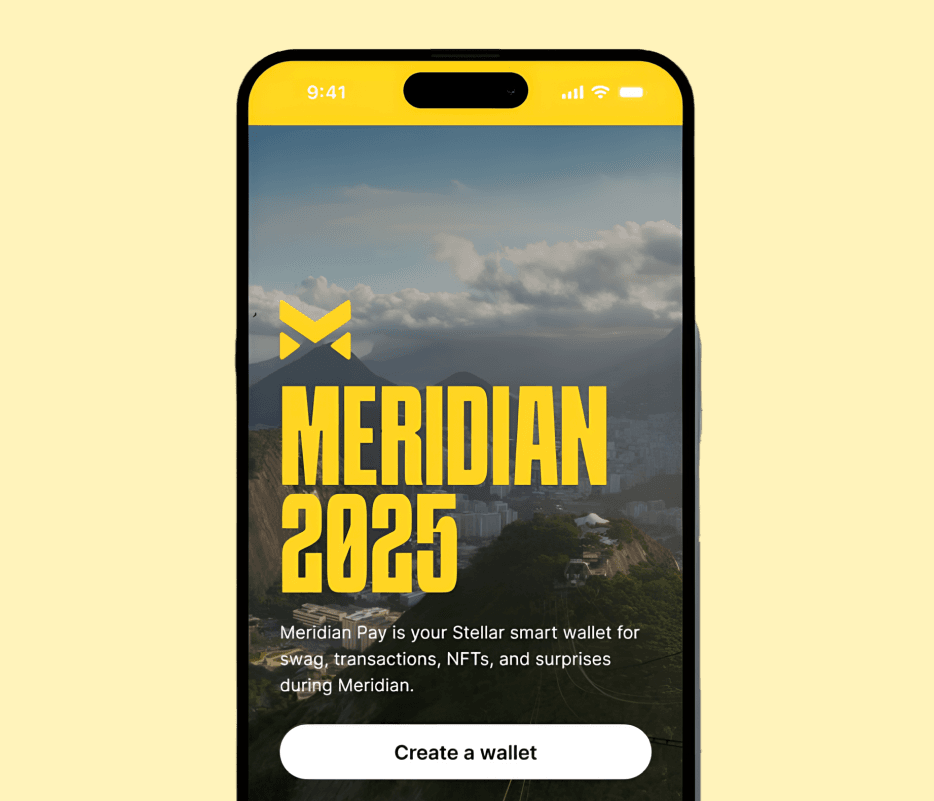
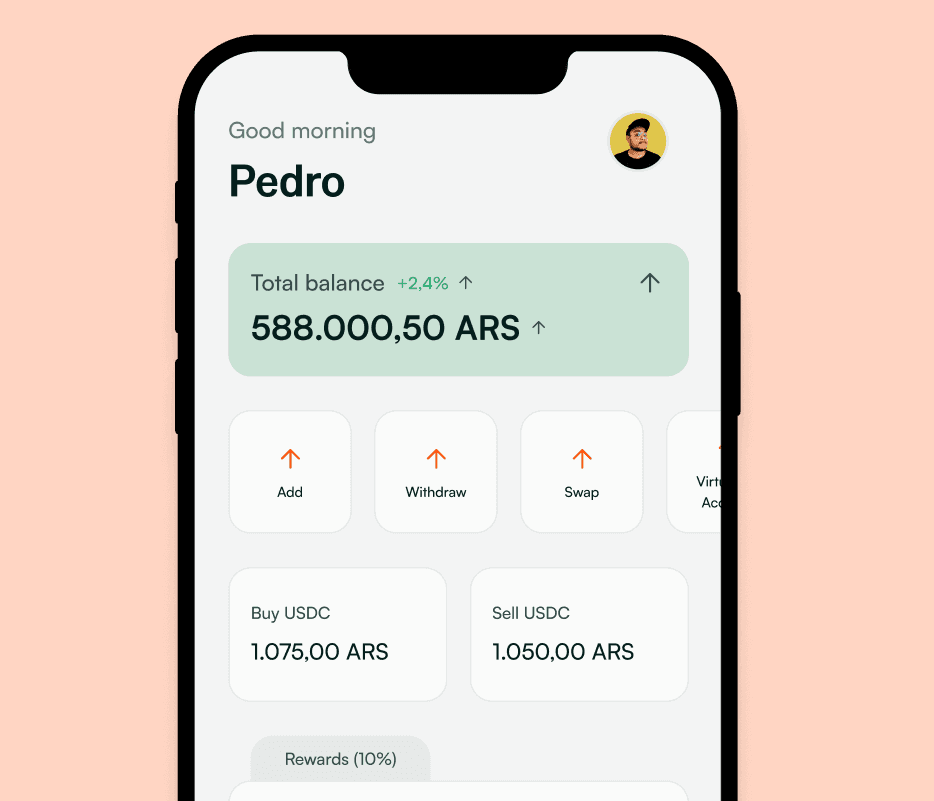
Non-custodial wallets, recovery without seed phrases, and passkey-secured smart wallets.
MoneyGram ■ Meridian Pay ■ Vesseo
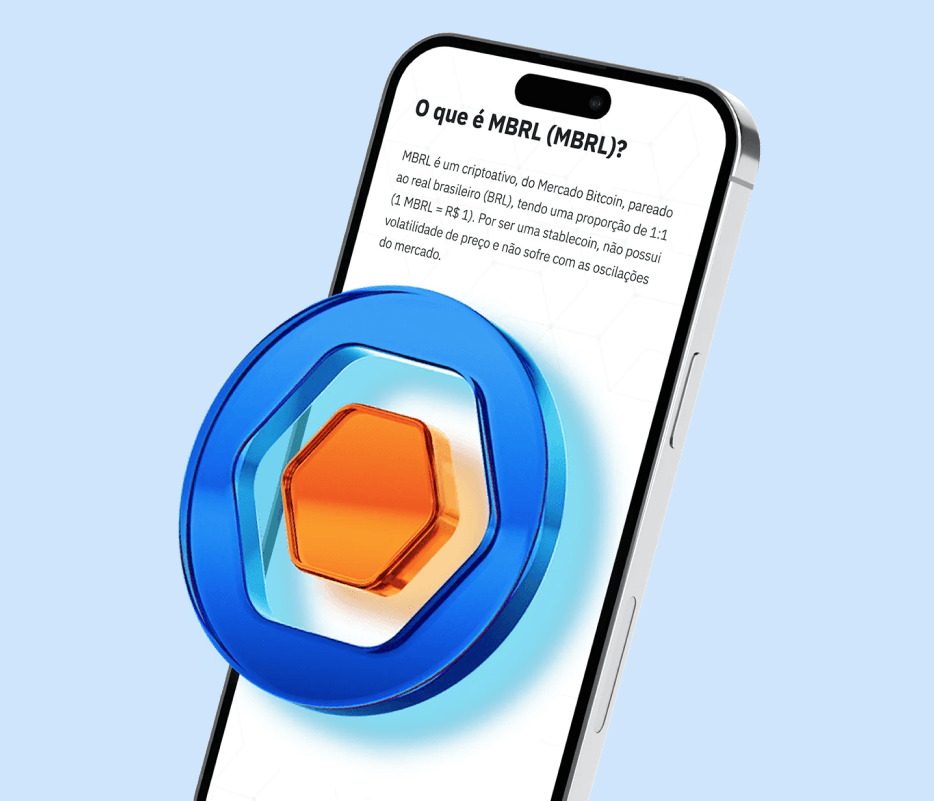
Issuance platforms for stablecoins and digital assets.
Mercado Bitcoin
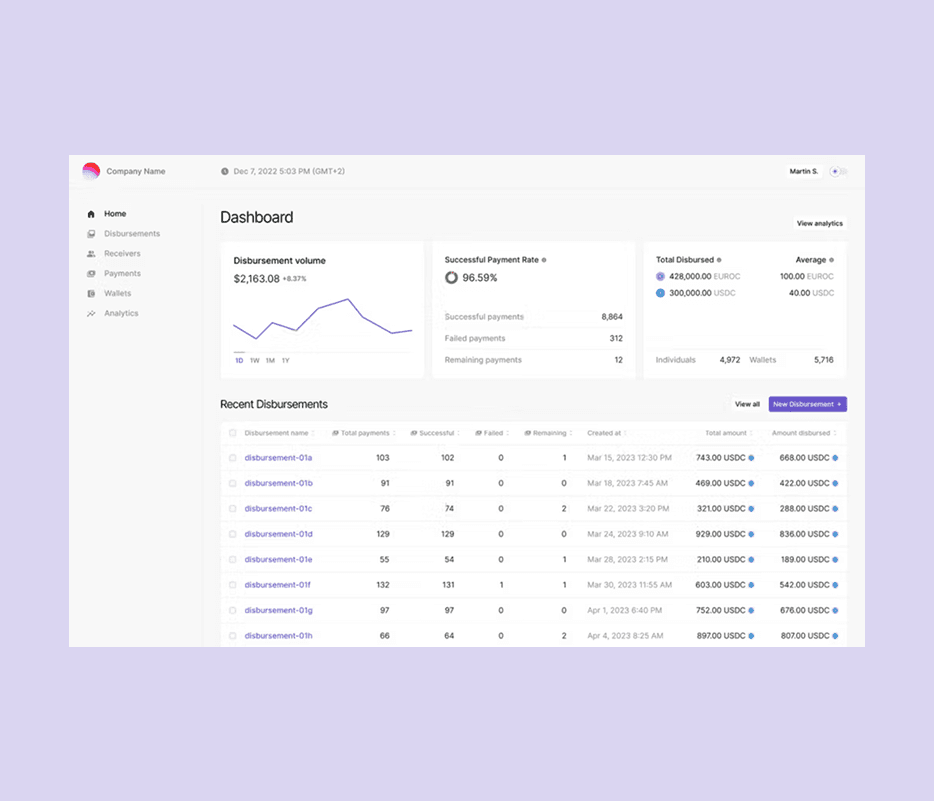
Anchors, on/off ramps and bulk disbursement.
Stellar Aid Assist
Bridges and cross-chain messaging, plus front ends on Solana and Sui.
Via Labs ■ Hyperspace
KYC services, payment SDKs and partner APIs.
An authorization layer so AI agents can pay securely.
Prototype ■ SemanticPay
And we’ve built them with the network itself.
Since 2021 we’ve built with the Stellar Development Foundation and the companies on its network: wallets, a stablecoin, aid payments and the tooling behind them.
Payments & digital assets
1,000+
users registered in two days

Payments & digital assets
1st
Brazilian stablecoin on the Stellar network

Payments & digital assets
3
international awards won

Payments & digital assets
30%
increase in app transaction volume

Payments & digital assets
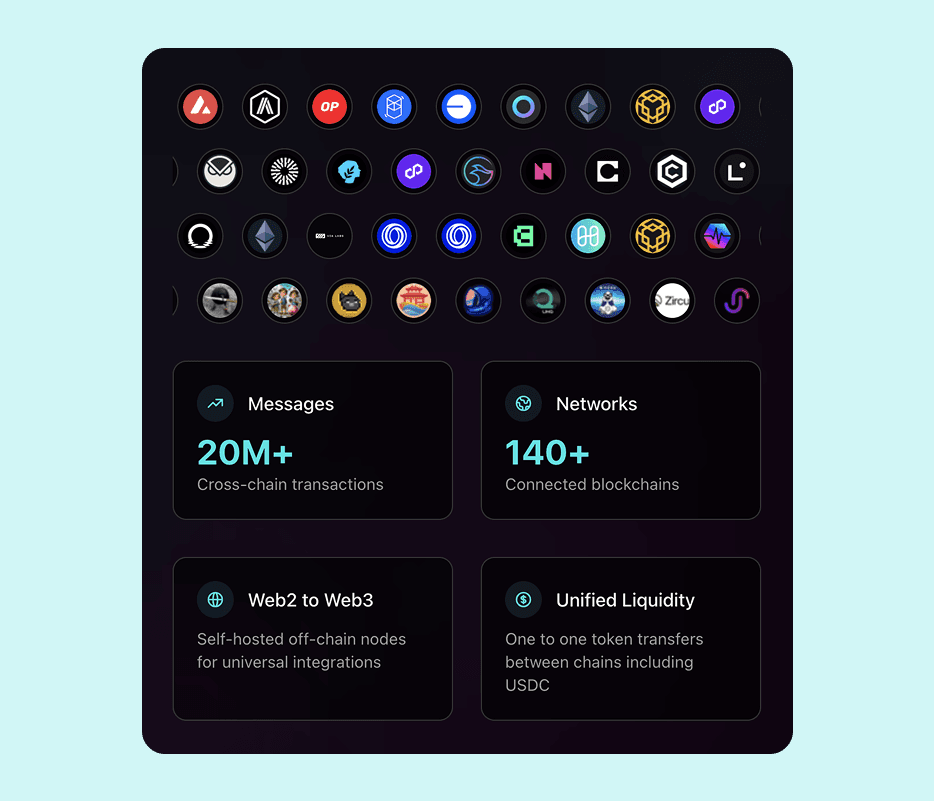
140+
chains on the messaging network
Why us
Product first, chain second.
FAQ
Not always. We recommend it only where it adds value, such as settlement, stablecoins or self-custody, and we say so when it doesn’t.
With patterns we’ve shipped: recovery without seed phrases, passkey-secured smart wallets, and sending to people who don’t have the app yet.
Most of our production work is on Stellar. We’ve also built bridge interfaces to Ethereum, cross-chain messaging, and front ends on Solana and Sui.
Yes. A proof of concept validates the chain, the custody model or the user flow first.
It depends on scope, and you get a dated plan at the end of definition. MoneyGram had a beta live 3 months after kickoff.
Yes. We’ve built KYC services and gone through enterprise legal review and vendor onboarding. Requirements are set in the definition phase.
A monthly support package, or a dedicated team that keeps shipping.