Modernize systems and data
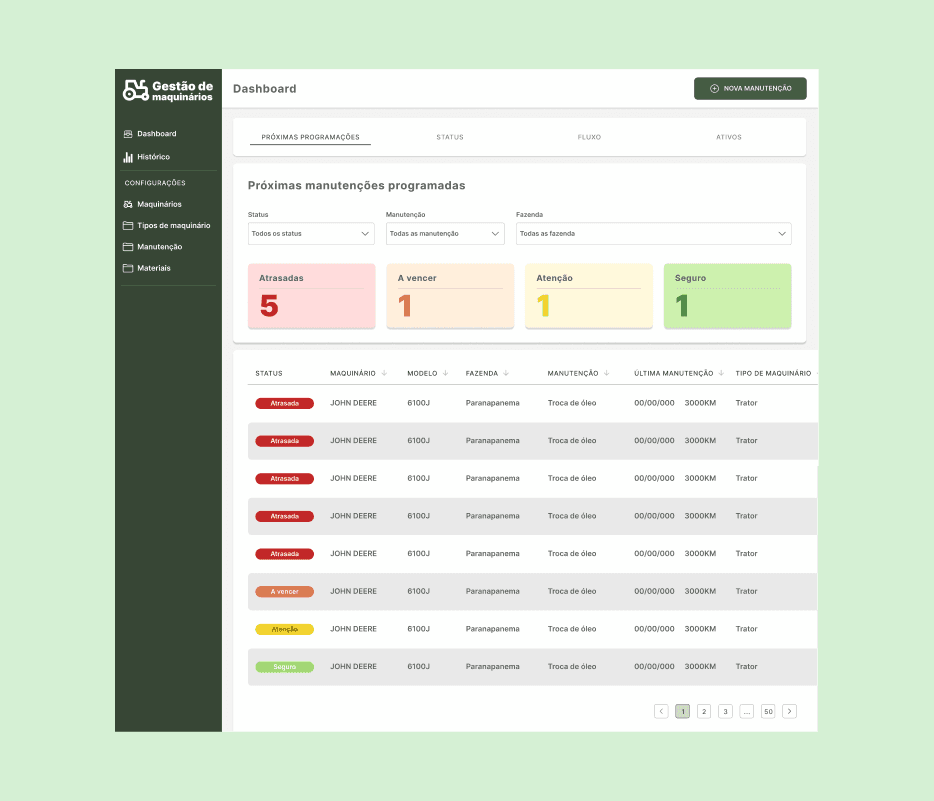
Replacing a Legacy Livestock System with a Modular Farm Platform
134,000
animals managed over time
Application modernization
Modernize the system your business runs on, without stopping the business. A fixed-scope assessment maps your system's rules, data and integrations. Then a senior team rebuilds it one domain at a time, with tests proving the new system behaves like the old one.
What we hear
What we hear
→ Move to technology you control, on a codebase you own.
What we hear
→ We turn that knowledge into documented rules and tests before anything changes.
What we hear
→ We move rules into the application layer, where they can be tested and changed.
What we hear
→ We restructure data as part of the work, so reports, analytics and AI can rely on it.
What we hear
→ We take on the modernization so your team can get back to the roadmap.
What we hear
→ You see the full map and plan before you commit to the build.
The trigger is rarely old technology. It’s what the system stops the business from doing.
Why rewrites fail
Most vendors build to a spec. On a legacy system, nobody has written that spec: the rules live in old code, in stored procedures and in a few people’s heads. Rewrite without it and you lose rules nobody knew were there. So we start by finding out what the system actually does.
How it works
Map rules, workflows, integrations and data. Define the target architecture and a costed, phased plan.
One domain or customer group at a time. Every ported rule is backed by a test that reproduces today’s behavior. What already works is kept and integrated.
Migration tooling, alpha and beta runs on demo data, then one cutover at a time, starting with pilots.
Training and documentation for your team, then support or new product, data and AI work.
Each gate is your decision. If you want proof first, an optional pilot can sit between the Assessment and the build.
Start here
In about four to six weeks, you get a complete map of what your system does, a target architecture and a costed, phased plan. You decide what happens next with evidence in hand.
What you receive
Business rules, workflows, integrations, data structures and the risks we found.
Every architecture decision recorded.
Scope, roadmap, team, cost and governance.
How agents and people will work on your system.
Align your sponsors on the plan.
AI, with guardrails
Each ticket becomes a versioned spec. AI builds from the spec, not from a loose prompt.
Automated tests, a multi-agent code review and a traceability report show which rule each change preserves and where it’s tested.
A named reviewer approves every change, criterion by criterion. Before each release, every ticket is checked against what was actually merged.
| Rule | Code (file:line) | Test | Status |
|---|---|---|---|
| R-014 Late-fee calculation | billing/fees.ts:88 | test_late_fee_rounding | PASS |
| R-027 Credit limit check | accounts/limits.ts:142 | test_limit_blocks_order | PASS |
| R-031 Invoice numbering | billing/invoice.ts:57 | test_invoice_sequence | PASS |
| R-045 Tax by region | tax/region.ts:203 | test_region_tax_table | IN REVIEW |
Every rule we port is traced to the code and the test that proves it.
How we deliver with AI ›What you end up with
“Ready for AI” is easy to say. Here is what we mean by it.
Ready for AI 1/4
Business rules are documented and covered by tests, not buried in stored procedures or in one person’s memory.
Ready for AI 2/4
Data is structured and reliable enough to feed reporting, analytics and AI use cases.
Ready for AI 3/4
New tools, agents and products can plug in.
Ready for AI 4/4
Modern enough that your team, and AI-assisted development, can change it quickly.
Audit trail, data isolation and data residency are decided in the Assessment, not retrofitted.
You own all the code and IP. Documentation and handover are built in, with no platform lock-in.
Here is what that looks like in production.
Modernize systems and data
134,000
animals managed over time

Modernize systems and data
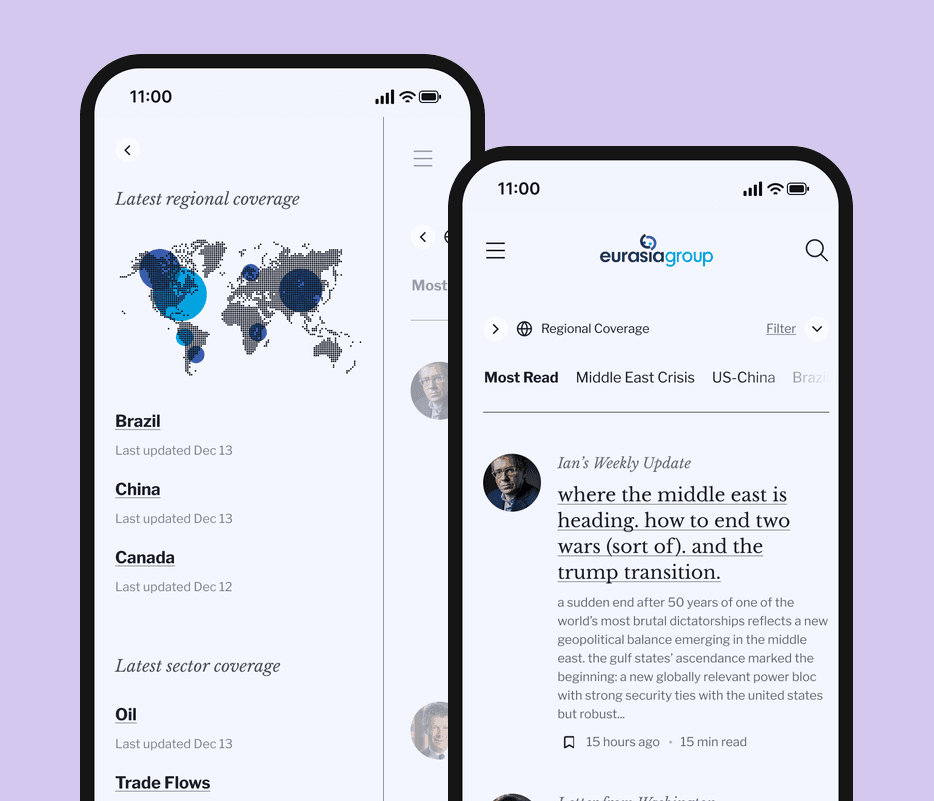
37,966
research documents migrated

Modernize systems and data
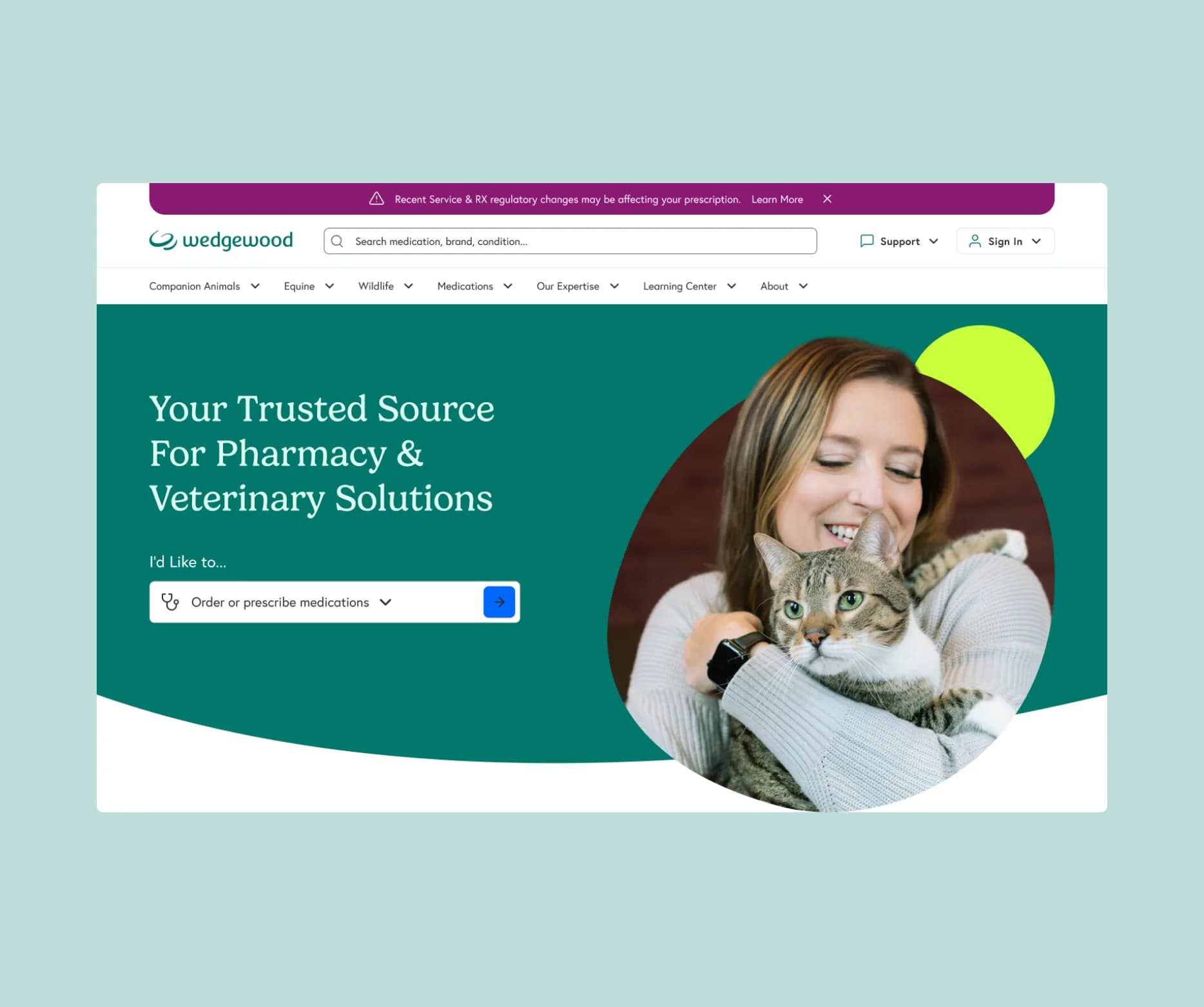
23%
lead growth after the replatform
2x
more vets managing prescriptions online
Why us
Our CTO and architects stay involved through delivery.
FAQ
No. The Assessment sorts out what to rebuild, what to keep and integrate, and what to replace with an existing product.
The Assessment takes four to six weeks. It ends with a costed, phased plan, so you see the timeline of each stage before you commit to it.
We rebuild one domain or customer group at a time, run alpha and beta on demo data, and cut over one group at a time, starting with pilots.
Every rule we port is backed by a test that reproduces today’s behavior, and a traceability report shows which rule each change preserves and where it’s tested.
On the code, with guardrails: AI builds from a versioned spec, tests decide when a rule is done, two people approve every change, and AI never touches real customer data.
You do. You own all the code and IP. Documentation and handover are built in, with no platform lock-in.
Yes. That is what the Assessment is for: we map the rules in the old code, the stored procedures and the people who know the system, and turn them into documented rules and tests before anything changes.
Yes. Each gate is your decision, and an optional pilot can sit between the Assessment and the build.
We train your team and hand over the documentation, then stay on for support or new product, data and AI work if you want us to.